
When it comes to protecting your shed or flat roof from harsh weather, roofing felt is one of the most reliable and affordable materials you can use. Whether you are building a new structure or repairing an old one, choosing the right roof felt can make a big difference in durability and performance.
In this guide, you’ll learn what roofing felt is, how it works, the best types, and step-by-step tips to install or repair a felt roof. This article is written for humans—simple, clear, and SEO-friendly.
What Is Roof Felt?
Roofing felt, also known as felt roofing, is a protective layer made from bitumen, fibres, and waterproof materials. It creates a barrier between your roof and the weather—blocking rain, snow, moisture, and UV rays.
For sheds, workshops, and outbuildings, shed roof felt is the most common and budget-friendly choice.
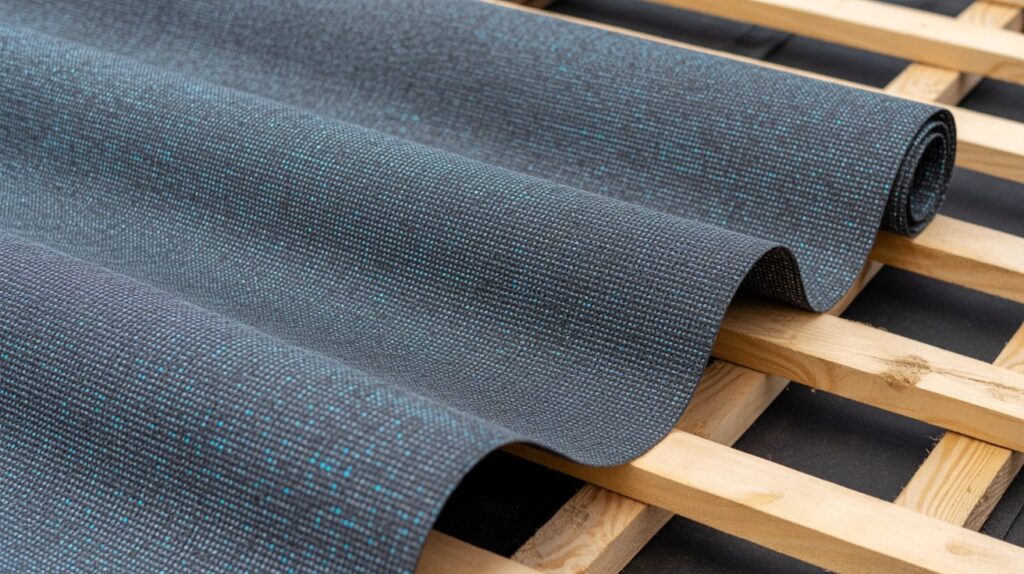
Types of Roofing Felt for Different Roofs
Heavy Duty Roof Felt
If your area faces heavy rain or snow, heavy duty roof felt offers extra strength.
It’s thicker, lasts longer, and resists tearing—perfect for long-term shed and flat roof protection.
Roof Felt for Sheds
Roof felt for sheds is lightweight and designed to cover small outdoor structures.
It’s easy to install, affordable, and provides reliable waterproofing for garden sheds.
Flat Roof Felt
Flat roof felt is used for garages, small extensions, and workshops.
It provides a smooth, durable, weatherproof layer that stands up to sunlight and storms.
Best Roof Felt Products
Wickes Roof Felt
Many homeowners choose Wickes roofing felt because it offers different qualities—from standard to premium felt.
Screwfix Roofing Felt
Screwfix roofing felt is popular for value and durability. It’s available in multiple roll sizes for sheds and flat roofs.
Torch On Roofing Felt
For a long-lasting, professional finish, torch on roof felt is applied with heat.
It sticks firmly and is ideal for garages and larger flat roofs.
Breathable Roofing Felt
If you want ventilation and moisture control, breathable roofing felt helps reduce dampness and roof sweating—especially useful in humid areas.

Essential Accessories for a Strong Felt Roof
Roof Felt Adhesive
Using good roof felt adhesive (also known as roof felt glue) helps secure edges, overlaps, and joints to prevent lifting during storms.
Roof Felt Roll
Most roofing projects use a roof felt roll, which makes installation easy and uniform for sheds and small buildings.
Self Adhesive Roof Felt
If you want a DIY-friendly option, self adhesive roof felt sticks without glue or heat—perfect for beginners.
How to Felt a Shed Roof (Simple Guide)
Installing roofing felt is easier than most people think. Here’s a quick, beginner-friendly guide:
- Remove old felt and clean the roof surface
- Roll out your roll of roof felt
- Cut pieces to size
- Use roof felt adhesive or nails to secure the first layer
- Overlap edges by at least 5–8 cm
- Fix the next layer and secure the ridge
- Trim excess for a clean finish
This simple process works for sheds, garden buildings, and small flat roofs.

Felt Roof Repair Tips
If your felt roof is leaking or torn:
- Patch the damaged area with new felt
- Use roof felt adhesive to secure repairs
- For major cracks, replace the full strip
- Check edges and corners for lifting
- Add extra layers for better weatherproofing
Regular maintenance can extend the lifespan of your felt roof shingles or felt roof tiles.
Garden Shed Roofing Felt Options
Garden shed roofing felt is specially designed for small structures.
It’s available in different colours, thicknesses, and finishes—perfect for waterproofing and improving your shed’s appearance.
What is the best roof felt for sheds?
Heavy duty roofing felt or shed roofing felt is ideal for long-lasting protection, especially in rainy and windy areas.
How long does roof felt last?
Most roof felt lasts 5–15 years, depending on weather conditions and material quality.
Can I apply roof felt myself?
Yes, DIY installation is easy, especially with self adhesive roofing felt or standard roof felt roll materials.